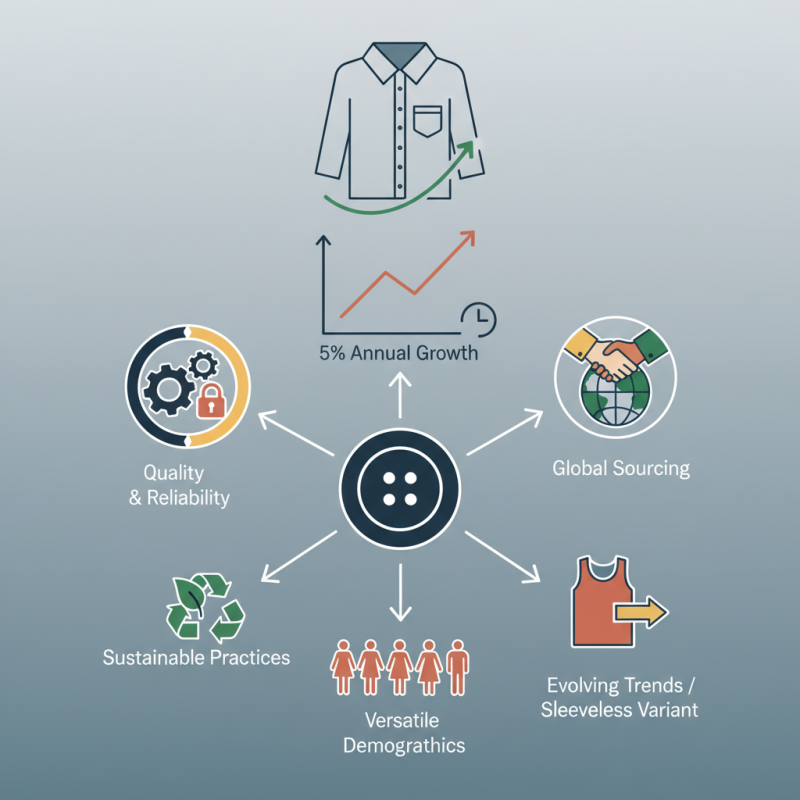
In today's super competitive world of apparel, button shirts are really standing out as a versatile choice for sourcing around the globe. According to a recent report from Market Research Future, demand for these shirts is expected to grow about 5% each year through 2025. That really signals a shift in what consumers are after—more folks are leaning towards this timeless piece of clothing. As John Smith from Apparel Insights puts it, "Button shirts have that everlasting charm and unbeatable practicality."
But, let’s be honest, sourcing these shirts isn’t just a walk in the park. It’s a bit tricky, especially when you’re dealing with international suppliers. Quality and reliability are absolutely key—any slip-up can lead to inconsistencies in production or quality issues. For example, the rise of sleeveless button-down shirts has created some new sourcing challenges, especially since they’re so popular with current fashion trends.
Still, despite these hurdles, there are some pretty solid reasons to go for button shirts. They’re super adaptable and can be tailored to suit different customer groups, which means brands can really expand their reach. Plus, if brands put effort into sourcing sustainably, it can boost their reputation and help keep customer loyalty strong. All in all, keeping up with global trends and new sourcing strategies is pretty much essential if you want to stay ahead in this game.
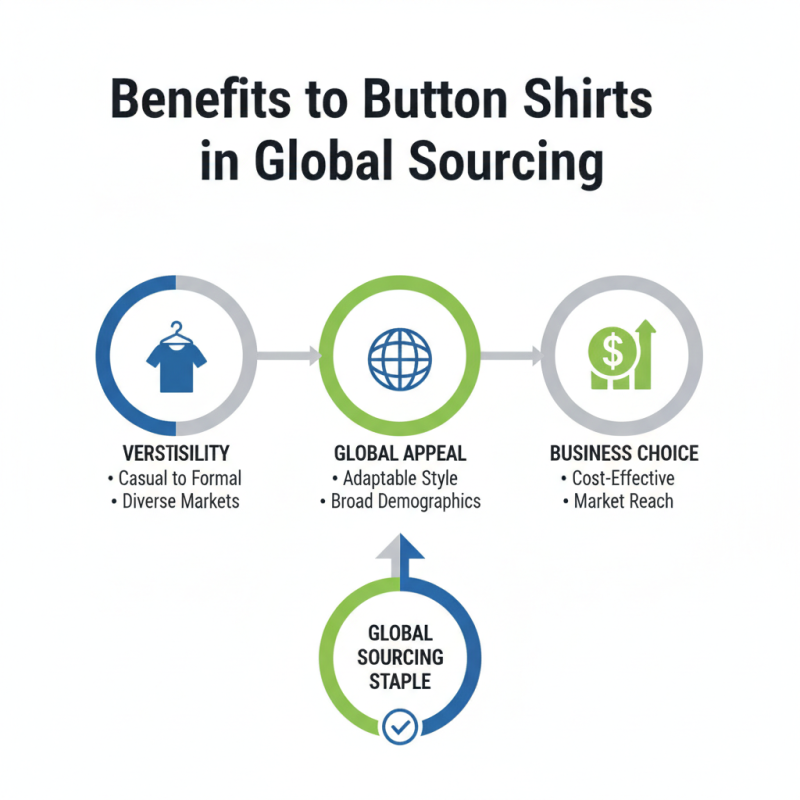
Benefits of Button Shirts in Global Sourcing
Button shirts are a staple in global sourcing. They blend versatility and style, catering to diverse markets. These shirts can easily transition from casual to formal settings. This adaptability makes them a preferred choice for businesses aiming to reach various demographics.
The durability of button shirts is another significant advantage. Quality materials ensure they withstand wear and tear. This longevity reduces the need for frequent replacements, which can be a cost-saving measure. However, sourcing high-quality button shirts may require thorough supplier evaluations. Not all suppliers meet the same standards, so careful selection is crucial.
Moreover, button shirts offer a range of customization options. Companies can choose colors, fabrics, and designs that align with their brand identity. This flexibility is essential in competitive markets. Yet, it can lead to inconsistencies if not managed properly. Miscommunication with suppliers can result in unsatisfactory products. Thus, establishing clear guidelines is necessary for successful sourcing.
Versatility of Button Shirts Across Different Markets
Button shirts offer great versatility across different markets. They can be worn in both casual and formal settings. This adaptability makes them a popular choice for global sourcing.
In warm climates, lightweight button shirts provide comfort and breathability. In contrast, thicker fabrics serve well in cooler regions. This variety allows businesses to cater to diverse customer preferences. Depending on the target market, different styles and colors can enhance appeal. Button shirts can feature patterns or plain designs, making them suitable for many occasions.
However, sourcing button shirts comes with challenges. The quality of materials varies, affecting durability. Sourcing from different regions may lead to inconsistencies. It’s essential to evaluate suppliers and their practices. Conducting regular checks can ensure reliability in quality. Businesses must also be aware of cultural preferences and sizing differences in various markets.
Quality Considerations for Button Shirt Manufacturing
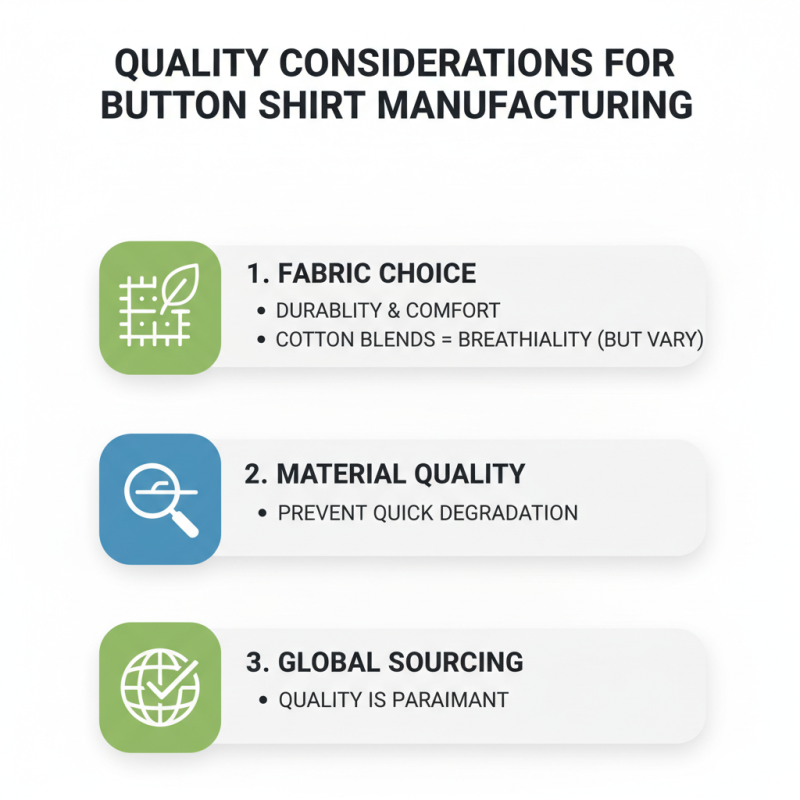
When sourcing button shirts for global markets, quality is paramount. Many factors affect the overall quality of a button shirt. The fabric choice significantly impacts durability and comfort. For instance, cotton blends typically offer breathability. However, not all cotton is created equal. Some manufacturers may use lower-quality materials that degrade quickly.
In addition to fabric, stitching quality is crucial. Well-constructed seams enhance the longevity of a shirt. Poor stitching can lead to tears and unraveling. Inspecting the button and buttonhole construction is equally important. Buttons must be securely attached to withstand wear. The balance between aesthetics and functionality should be considered, especially in items like the Womens Long Button Down Shirt, where style meets practicality.
Lastly, consistency is a key concern in manufacturing. Variability in size and fit can lead to dissatisfaction among customers. Sourcing from reputable manufacturers who adhere to strict quality controls can mitigate this issue. It is essential to perform regular audits and checks. This way, potential flaws can be identified early, preserving the brand’s reputation. Overall, prioritizing quality in button shirt manufacturing ensures a reliable product for consumers.
Cost Efficiency in Sourcing Button Shirts Globally
When sourcing button shirts globally, cost efficiency is a primary concern. Many businesses overlook the significance of choosing the right garment type. Consider the Womens Sleeveless Button Shirt. It offers versatility across seasons. This type of shirt can be worn alone in warmer weather or layered in cooler climates. This adaptability creates a strong value proposition for retailers.
Global sourcing can lead to significant savings. By selecting button shirts, companies can access competitive manufacturing costs. Labor and materials tend to be cheaper in many regions. However, it's essential to evaluate quality alongside cost. Lower prices may sometimes lead to compromised fabric durability.
Another aspect worth pondering is shipping logistics. Sourcing globally can mean longer delivery times. Businesses should weigh this against local options. While cost matters, timely delivery is crucial to maintain customer satisfaction. Thus, focusing purely on cost might not always serve the long-term goals. Balancing quality and efficiency is key.
Sustainability Practices in Button Shirt Production
Button shirts have become increasingly popular in global sourcing, especially when considering sustainability practices. A recent report from theFashion & Sustainability Institute highlights that the apparel industry contributes to over 10% of global carbon emissions. Therefore, choosing suppliers committed to sustainable button shirt production is essential. The "Three Button Long Sleeve Shirt" is an excellent example, as it provides versatility while maintaining ethical standards.
Many manufacturers are now utilizing eco-friendly fabrics, such as organic cotton and recycled polyester. This transition can significantly reduce water usage by up to 90%. However, challenges remain. Not all brands adhere to transparent supply chains, leaving consumers uncertain about the sustainability of their clothing. It's crucial for businesses to vet suppliers thoroughly.
Here are some quick tips: look for certifications such as GOTS or OEKO-TEX when sourcing button shirts. Engage with manufacturers to understand their resource management approaches. Ask about waste reduction initiatives. These practices not only promote sustainability but also enhance brand reputation. As the market evolves, consumer demand for sustainable button shirts, particularly the "Three Button Long Sleeve Shirt", will likely influence production standards worldwide.
Why Choose Button Shirts for Your Global Sourcing Needs? - Sustainability Practices in Button Shirt Production
| Criteria |
Example 1 |
Example 2 |
Example 3 |
| Material Source |
Organic Cotton |
Recycled Polyester |
Tencel Lyocell |
| Water Usage (liters per shirt) |
500 |
400 |
300 |
| Carbon Footprint (kg CO2e) |
2.5 |
1.8 |
1.2 |
| Biodegradability |
Yes |
Yes |
Yes |
| Fair Labor Certification |
Yes |
Yes |
No |
Trends Influencing Button Shirt Designs Worldwide
The button shirt market is experiencing significant transformations. Designers are responding to a surge in consumer demand for versatility and sustainability. Recent reports indicate that over 65% of consumers now prioritize eco-friendly materials. This trend influences the design of button shirts, encouraging the use of organic cotton and recycled fabrics.
Additionally, cultural influences shape button shirt designs worldwide. Regions like Asia and Europe showcase unique patterns and styles. For example, the popularity of Striped Button Up Shirt Womens designs highlights this cultural fusion. Each region brings its own aesthetic, blending traditional craftsmanship with modern trends. However, it's crucial to question whether all styles are sustainable. Some designs may compromise fabric quality for fashion.
Consumer preferences are shifting rapidly. Data reveals that 70% of millennials are willing to pay more for ethically produced clothing. This shift prompts manufacturers to rethink their sourcing strategies. Embracing transparency in the supply chain is essential. Brands must reflect on their practices to meet this growing expectation from consumers. Balancing style and responsibility remains a challenge.
Evaluating Suppliers for Button Shirt Sourcing
When sourcing button shirts, evaluating suppliers is crucial. The apparel industry faces challenges, such as varying quality standards and inconsistent production timelines. According to a 2022 report from the International Apparel Federation, 40% of companies reported difficulty in maintaining quality across multiple suppliers. This statistic underscores the importance of diligent supplier evaluation.
Tips: Always ask for samples before placing bulk orders. This allows you to assess the quality directly. Look for suppliers who have certifications, like ISO 9001, indicating a commitment to high-quality standards.
In addition, consider the supplier's production capacity and lead times. A report by McKinsey & Company indicated that 70% of apparel brands faced delays in their supply chains. This highlights the need for proactive communication. Evaluate how well potential suppliers respond to inquiries. Quick responses can indicate a reliable partner.
Tips: Create a checklist for supplier evaluation. Include factors such as communication, capacity, and compliance. This can help streamline your selection process. Remember, not every supplier will meet your expectations initially. Aim for those willing to improve and adapt.
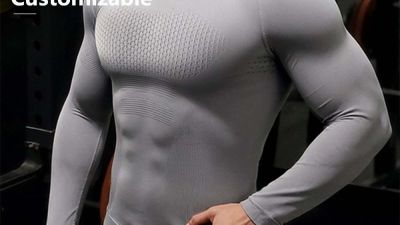
Elevate Your Workout: Discover the Benefits of the XH-Fashion Custom Logo Men's Seamless Compression Long Sleeve Shirt
The world of fitness apparel is rapidly evolving, and one of the standout innovations is the seamless compression shirt. These garments are designed specifically for athletes, gym enthusiasts, and anyone committed to an active lifestyle. Recent industry reports indicate that the global sports apparel market is expected to surpass $200 billion by 2025, highlighting the increasing demand for high-performance workout gear. The XH-Fashion Custom Logo Men's Seamless Compression Long Sleeve Shirt perfectly caters to this trend, providing unparalleled support and comfort that can significantly enhance workout performance.
Engineered with a 4-way stretch and quick-dry fabric, this shirt ensures optimal flexibility and moisture management. According to a study published in the Journal of Sports Science and Medicine, compression wear can improve circulation and reduce muscle oscillation, leading to better performance and faster recovery times. This is crucial during high-intensity workouts, where maintaining peak performance is essential. The muscle-hugging fit of seamless compression shirts not only supports muscle stabilization but also minimizes the risk of injuries, making it an indispensable item for anyone serious about their training regimen.
Adding a personal touch with customizable logos or designs makes these shirts an ideal choice for teams and brands looking to create a cohesive identity. Whether lifting weights, running, or engaging in training sessions, having gear that reflects personal style while offering functional benefits is invaluable for motivation and performance. As the fitness landscape continues to grow, investing in quality compression apparel like the seamless long sleeve shirt is a smart choice for anyone wanting to elevate their workout experience.
FAQS
: Button shirts can be worn casually or formally. They suit different occasions and preferences.
In warm areas, lightweight shirts are best. Thicker fabrics work well in cooler regions.
Supplier quality can vary greatly. Poor quality affects the final product's durability.
Request samples before ordering. This helps assess the quality directly.
Delays lead to unmet deadlines. A proactive approach can minimize these issues.
Yes, cultural preferences influence style and sizing. Ignoring them could limit market appeal.
Reliable suppliers respond quickly to inquiries. They should also have certifications for quality.
Many suppliers are in transition. Seek those willing to improve and adapt.
Good communication builds trust. It helps clarify expectations and resolves issues faster.
Maintaining consistent quality across suppliers is difficult. Regular checks are necessary for assurance.
Conclusion
Button shirts are a versatile and practical choice for global sourcing, offering numerous benefits across different markets. Their adaptability allows them to be tailored for various occasions, ensuring they meet diverse consumer needs. When sourcing button shirts, quality considerations are paramount, as manufacturing standards play a crucial role in product satisfaction. Moreover, cost efficiency is a significant factor in the global supply chain, making button shirts an attractive option for buyers looking to manage expenses while maintaining quality.
Sustainability practices in button shirt production are increasingly important, as consumers are becoming more eco-conscious. Manufacturers are adopting greener methods that not only minimize environmental impacts but also cater to this growing trend. Additionally, staying informed about the latest designs and trends can help businesses offer current and appealing products. Ultimately, evaluating suppliers effectively is essential for successful button shirt sourcing, ensuring that partners align with quality, sustainability, and market demands.