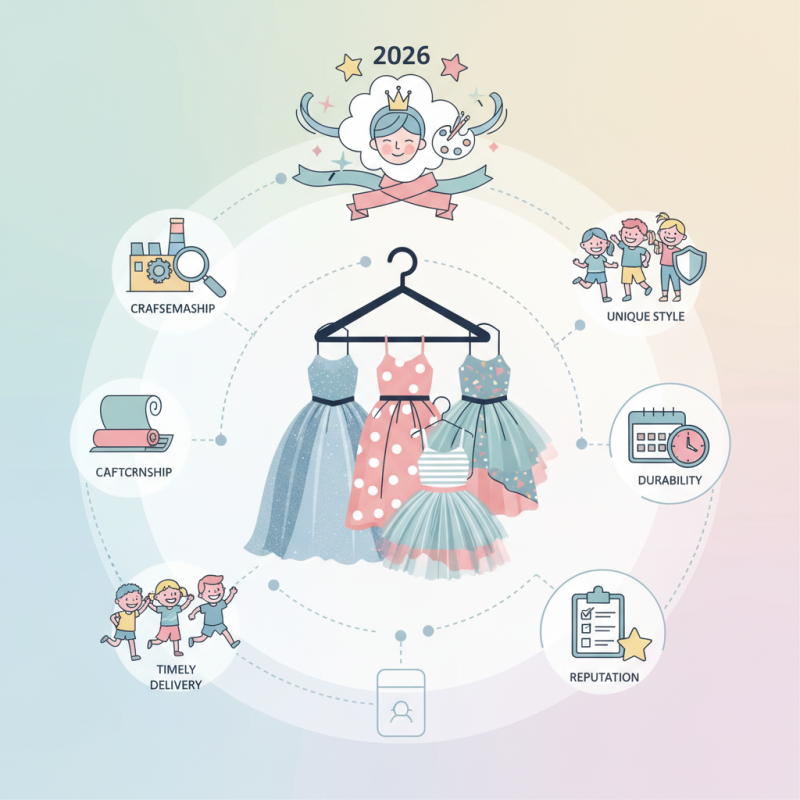
When it comes to kids' fashion, finding those really unique styles can actually be quite the fun, yet sometimes tricky, adventure. More and more parents are on the lookout for high-quality kids' dresses that truly showcase their child's personality and creativity. As 2026 rolls around, we're seeing some pretty exciting developments in this space — manufacturers are stepping up their game with craftsmanship and innovative designs that really stand out.
One thing that's really exciting is the variety of styles out there. Whether it’s elegant dresses perfect for parties or fun, casual outfits, the options are almost endless. Parents want clothes that not only look cute but also can handle all the running, jumping, and playtime craziness kids throw at them. Picking the right manufacturer is a big deal — you want someone who knows their stuff and has a good reputation. It’s all about finding a partner who truly understands what kids' clothing needs.
Of course, many brands promise top quality, but it’s worth digging a little deeper into their track record. Some may be great at design but might struggle with delivering on time or keeping consistency. It’s normal to encounter these little hiccups — the key is making sure your choice will meet your expectations when it comes to style and quality. In the end, investing in personalized, high-quality kids’ dresses isn’t just about looking good; it’s about creating a wardrobe that truly reflects your child’s unique vibe and sense of adventure.
Trends in Custom High-Quality Kids Dresses for 2026
As we look towards 2026, the landscape of custom high-quality Kids Dresses is evolving. Parents are increasingly seeking unique styles that reflect their children's personalities. The popularity of bespoke designs allows for creativity. This is not just about fashion; it embodies self-expression. Children want to wear what feels authentic to them, which is a significant shift.
Sustainability is also shaping trends in kids dresses. More manufacturers are choosing eco-friendly fabrics. Parents today are more aware of environmental impacts. They prefer brands committed to ethical practices. However, not all brands meet these standards, leaving some parents frustrated. Each choice must be careful. Quality still matters as well. Garments should withstand the rigors of play. Finding a balance isn’t always easy; options vary widely.
Color and print play pivotal roles in 2026’s trends. Bold patterns and personalized themes can transform any outfit. Customization adds a layer of uniqueness that kids adore. But some designs may be too complex for everyday wear. Striving for originality can sometimes lead to impractical choices. It’s essential to reflect on functionality while embracing creativity in kids dresses.
2026 Best Custom High-Quality Kids Dresses Manufacturer for Unique Styles
| Style |
Material |
Customization Options |
Age Range |
Price Range |
| Floral Print A-line |
Cotton Blend |
Color, Size, Length |
3-10 years |
$30 - $50 |
| Jeans Jacket Dress |
Denim |
Embroidery, Patches |
5-12 years |
$40 - $70 |
| Tulle Skirt Dress |
Tulle and Satin |
Color, Size, Embellishments |
2-8 years |
$25 - $60 |
| Ruffled Maxi Dress |
Cotton |
Print, Size |
4-10 years |
$35 - $65 |
| Vintage Lace Dress |
Lace |
Color, Size, Lace Design |
6 months - 4 years |
$45 - $80 |
Key Factors for Choosing a Manufacturer of Kids Dresses
When selecting a manufacturer for Kids' Dresses, several key factors come into play. Quality is paramount. According to recent industry reports, around 68% of parents prioritize durability and comfort in children's clothing. This indicates that manufacturers focusing on high-quality fabrics have a competitive edge. A manufacturer should offer a variety of materials that are not only durable but also safe for children. Certifications like OEKO-TEX can ensure that the fabrics used are free from harmful substances.
Design versatility is also critical. Considering that kids' fashion trends shift rapidly, manufacturers need to provide unique styles that appeal to different age groups and tastes. A staggering 53% of buyers in the children's clothing segment prefer custom designs that stand out. Manufacturers who stay ahead of trends can attract a larger customer base.
Lastly, communication is vital. Clear dialogue between the manufacturer and retailer fosters trust. Some manufacturers may lack this transparency, causing delays in product delivery or issues with quality. A good partnership relies on responsiveness and feedback. Reflecting on these aspects can help retailers make informed decisions about their kids' dresses supplier.
Top Materials Used in High-Quality Kids Dress Production
When creating high-quality kids' dresses, the choice of materials is crucial. Parents seek durability and comfort, while kids want styles that reflect their vibrant personalities. Common materials for quality kids' dresses include cotton, linen blends, and soft synthetics. Cotton is breathable and easy to care for, making it a popular choice. However, it often wrinkles easily, which can be a drawback.
Linen-Blend Kids' Shirts offer a perfect balance of comfort and style. This fabric combines the natural feel of linen with the resilience of synthetics. It resists fading and maintains its shape throughout wear and wash cycles. However, finding the right blend is key to ensuring softness while also preventing that rough texture that some linen can have.
Choosing the right fabric can be tricky. Parents sometimes overlook how certain materials may cause discomfort for active kids. The ideal fabric should not only look good but also withstand the rigors of play. Quality production means using reliable materials, which often leads to better overall satisfaction for both parents and children.
Market Demand Analysis for Unique Kids Dress Styles in 2026
The demand for unique kids' dress styles is growing. Parents are increasingly seeking custom dresses that reflect their children's personalities. In 2026, this trend is expected to evolve further. Children want more than just ordinary attire; they desire distinct pieces that stand out in a crowd.
Market research indicates that parents prioritize quality and creativity. Many are willing to invest in dresses that tell a story or showcase vibrant themes. Sustainable materials and ethical manufacturing practices are becoming significant factors influencing purchasing decisions. However, not all manufacturers meet these expectations. There is a gap between demand and available options.
While some brands offer unique styles, many still fall short in variety and design creativity. Parents often find themselves disappointed by the limited choices. It highlights the need for manufacturers to innovate continuously. The challenge remains for them to keep up with evolving tastes in children’s fashion. Embracing feedback from parents can lead to a more satisfying experience. Ultimately, the enchanted world of children’s dresses in 2026 will require manufacturers to listen and adapt.
Quality Control Standards in the Kids Fashion Industry
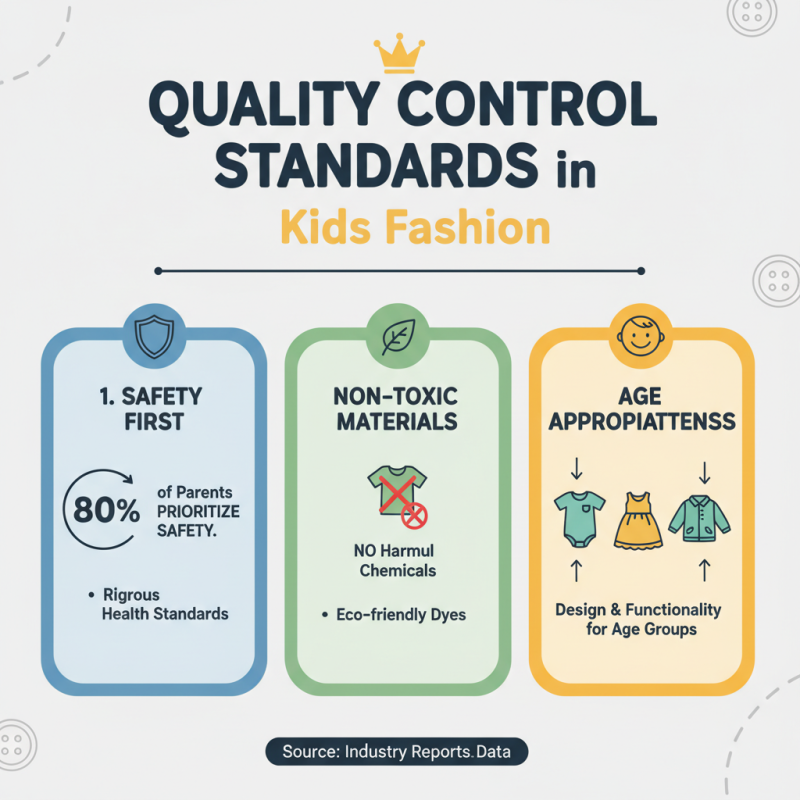
Quality control in the kids' fashion industry is critical. Recent data from industry reports indicate that 80% of parents prioritize safety in children's clothing. This means manufacturers must meet rigorous health standards. The use of non-toxic materials is essential. Moreover, age appropriateness is a major concern.
One common issue arises with sizing. Many manufacturers fail to provide accurate sizing charts. This leads to ill-fitting clothes that can disappoint customers. A study highlighted that 30% of returns are due to sizing issues. Accurate measurements and better patterns are vital for manufacturing high-quality kids’ dresses.
Regular inspections are crucial. They help identify potential flaws before products reach consumers. Over 70% of successful brands implement stringent quality checks. This includes fabric testing and final product reviews. However, sporadic deployment can lead to lapses. Manufacturers should establish a consistent quality regime to enhance reliability. By focusing on these aspects, they can improve overall product quality and customer satisfaction.
Innovations in Kids Dress Design: A Look Ahead to 2026
The world of kids’ dress design is evolving rapidly. By 2026, we can expect to see bold colors, unique patterns, and sustainable fabrics dominating the market. Designers will push boundaries to create dresses that not only appeal to children but also speak to their sense of individuality. This trend reflects a growing desire for unique styles that break away from traditional norms.
Tips: When choosing custom dresses, consider the quality of the materials. Organic cotton and bamboo fabrics are fantastic choices for their softness and durability. Look for manufacturers who focus on eco-friendly processes.
Innovations will likely introduce interactive elements in kids' dresses. Think of dresses with pockets for little treasures or adjustable features for longer wear. Such designs not only cater to functionality but also celebrate creativity. However, one must ponder whether these innovations enhance wearability. Sometimes, adding too much can complicate the design.
Also, Kids' Casual Shirts will become more integrated with dress designs. They can provide versatility, transitioning easily from playful to dressy. Encouraging mix-and-match options allows kids to express themselves further. Yet, maintaining a balance between style and comfort remains essential. It’s a field ripe for exploration and refinement, inviting thoughtful discussion about the future of kids’ fashion.
Sustainability Practices Among Leading Kids Dress Manufacturers
Sustainability is an essential focus for kids' dress manufacturers. A significant 70% of parents prefer environmentally friendly products for their children. This statistic showcases the growing demand for sustainable practices in the fashion industry. Many manufacturers are now prioritizing eco-friendly materials, such as organic cotton and recycled fabrics, to attract conscious consumers.
However, the transition to sustainable production isn't without challenges. While many brands strive to reduce waste, nearly 30% still struggle with sourcing eco-friendly materials consistently. This indicates a gap in current practices that needs addressing. Transparency in the supply chain is lacking for some manufacturers, leading to concerns over their sustainability claims.
Additionally, only 25% of leading manufacturers have adopted circular economy principles. This involves designing products for longevity and eventual recycling. As the market evolves, there is a vital need for brands to engage in continuous improvement and innovation. Sustainable practices should be more than just a marketing strategy; they require genuine commitment and effort from all stakeholders in the industry.
FAQS
: Cotton, linen blends, and soft synthetics are popular choices. They offer comfort and durability.
Cotton is breathable and easy to care for. It suits active kids well.
While linen blends are resilient, finding the right mix is crucial. Some linen can feel rough.
Expect bold colors and sustainable fabrics. Unique patterns will also become more common.
The quality of materials is essential. Organic cotton and bamboo are good choices.
Interactive elements like pockets and adjustability will enhance functionality. But too many features might complicate things.
70% of parents prefer eco-friendly products for their children. Sustainable practices are crucial for attracting these consumers.
Many struggle to source eco-friendly materials consistently. Transparency in supply chains is often lacking.
Only 25% have embraced circular economy principles, indicating room for improvement in sustainability.
It ensures genuine commitment to sustainability, rather than just a marketing strategy for brands.
Conclusion
The article explores the evolving landscape of custom high-quality kids' dresses in 2026, highlighting the latest trends and innovations. As the demand for unique styles grows, manufacturers are urged to prioritize key factors such as material quality, design creativity, and sustainability in their production processes. The discussion on market demand emphasizes how parents are increasingly seeking distinctive features that set their children's outfits apart, further driving the customization trend.
Additionally, the importance of stringent quality control standards is underscored to ensure the durability and safety of kids' dresses. Notably, the article looks ahead to potential innovations in design that promise to reshape the industry, while also considering sustainable practices adopted by leading manufacturers, ensuring that the future of kids' fashion is not only stylish but also environmentally responsible.