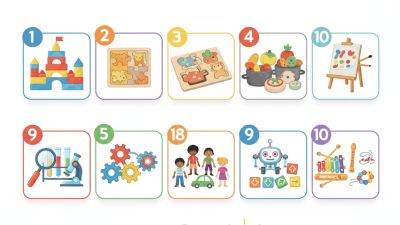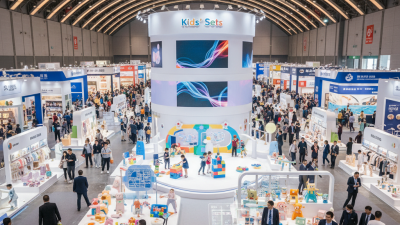
The world of Kids' Sets is changing pretty quickly these days. More and more parents are on the lookout for high-quality options, so global buyers really need to stay in the loop. I was talking to industry expert Mark Thompson from Toy Innovations, and he mentioned, “Choosing the right Kids’ Sets can actually shape a child's creativity and learning.” That just goes to show how important it is to pick carefully.
In this competitive kids’ products scene, knowing what's trending is pretty much a must. You’ve gotta think about materials, safety, and whether they’re educational too. Sustainability is definitely gaining ground, which is great to see. But, honestly, with so many choices out there, it can get a bit overwhelming—sort of like, which set really offers the most? Not all kids’ sets are created equal.
As we start looking at the top Kids’ Sets for 2026, it’s worth thinking about what really makes a set valuable. Sometimes, simplicity gets lost in the shuffle. Products that are too complicated can miss the mark—kids need stuff that’s engaging but not overwhelming. Striking that balance really can make a big difference in how kids grow and learn.
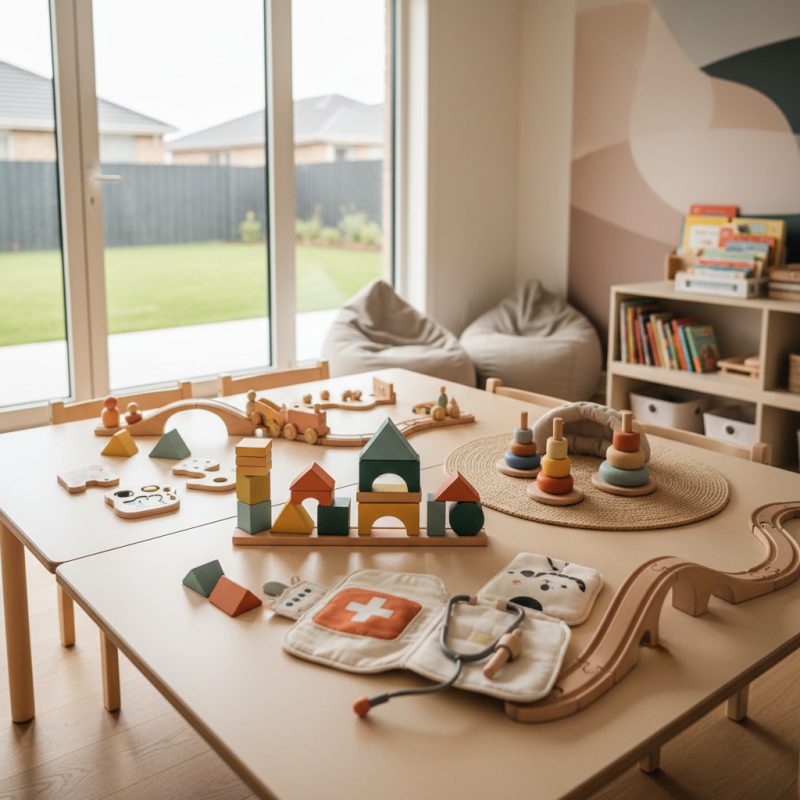
In 2026, the global kids' toy market is set to witness exciting trends. From sustainable materials to interactive play, buyers have much to consider. Parents increasingly demand eco-friendly products. Toys made from recycled or biodegradable materials are gaining popularity. Children are more environmentally conscious, influencing purchasing decisions.
Technology continues to shape the market. Augmented reality toys are on the rise. These toys engage kids and enhance learning. However, it's essential to ensure that tech doesn't overshadow imagination. Balance is key.
Tips: Look for toys that encourage creativity. Open-ended play fosters problem-solving skills. Seek products that combine fun with educational value. In this evolving market, reflection is important. What engages children today might not hold their interest tomorrow. Stay aware of trends, but prioritize quality and meaningful connections in play.
When choosing kids' sets, parents prioritize creativity and educational value. They seek products that inspire imaginative play. This ties into the increasing demand for STEM-focused toys. Children benefit from engaging learning experiences. Parents want products that foster skills, like problem-solving and critical thinking.
Safety remains a major concern. Non-toxic materials and age-appropriate designs are crucial. Many parents are cautious about choking hazards. They often scrutinize labels for safety certifications. Nonetheless, some overlook these details, leading to regrets later.
Durability is another key factor. Families desire items that withstand rough play. However, not all products meet this expectation. Some fall apart too quickly, leaving parents frustrated. Long-lasting items can be an investment. Parents also appreciate sets that promote social interaction. They want toys that encourage cooperation and teamwork among children.
| Category | Age Range | Key Features | Popularity Score (1-10) | Price Range |
|---|---|---|---|---|
| Building Sets | 3-10 years | Creativity, STEM Learning | 9 | $30 - $150 |
| Art & Crafts | 4-12 years | Creativity, Motor Skills | 8 | $10 - $60 |
| Board Games | 5-12 years | Strategy, Family Bonding | 7 | $15 - $70 |
| Educational Kits | 6-14 years | Science, Exploration | 10 | $25 - $120 |
| Outdoor Play Sets | 3-8 years | Physical Activity, Social Skills | 8 | $50 - $300 |
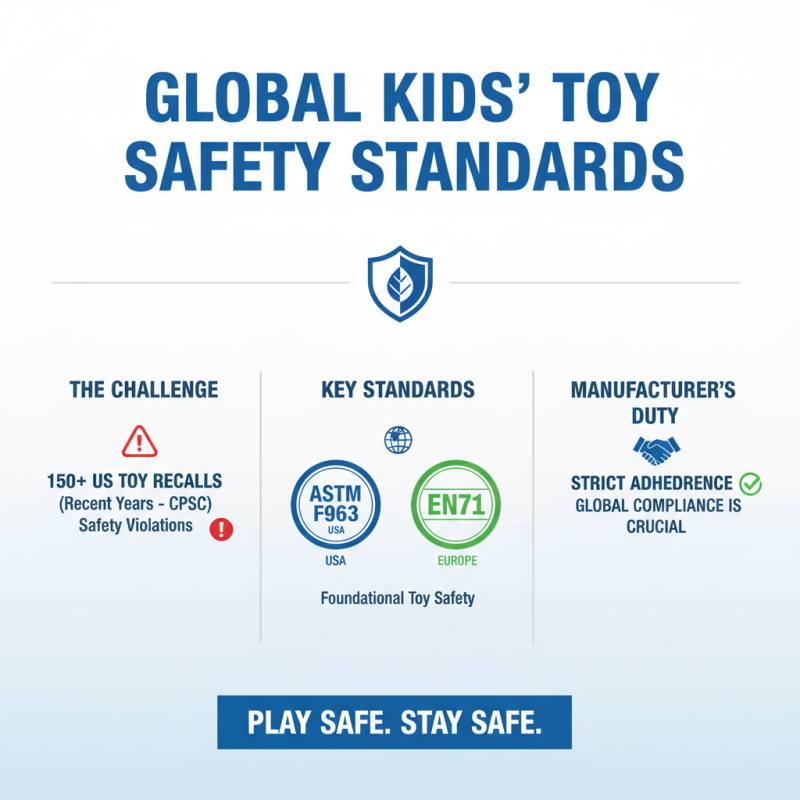
The kids' toy industry is under continuous scrutiny regarding safety standards. In recent years, the U.S. Consumer Product Safety Commission (CPSC) reported over 150 recalls due to safety violations. The global market demands strict adherence to safety regulations. Safety standards like ASTM F963 and EN71 set the foundation for toy safety across various regions. Compliance with these standards is vital for manufacturers.
A report from the Toy Association reveals that 90% of parents prioritize safety when purchasing toys. This statistic underscores the industry's shift towards transparency and quality. Furthermore, toys must pass rigorous testing phases to ensure they are safe for children. Many companies invest in third-party testing to bolster their credibility. Despite these efforts, challenges persist. A study indicated that 30% of toys still fall short of safety regulations, highlighting the need for improvement.
As parents become more knowledgeable, they scrutinize product labels closely. There is a growing demand for eco-friendly and non-toxic materials, as traditional plastic toys face backlash. Manufacturers must balance safety and sustainability. This pursuit can lead to higher production costs, which may affect pricing. In the quest for safety and quality, the industry must keep evolving, addressing gaps where safety measures are inadequate.
In recent years, sustainability has become a crucial focus in kids' toy production. Parents are increasingly concerned about the environmental impact of the toys their children play with. Eco-friendly practices are no longer a novelty; they are essential. Many manufacturers are now using recycled materials. This not only reduces waste but also teaches children the importance of recycling.
Tips for buyers: Look for certifications that guarantee a product's eco-friendliness. Research materials used in toys. Avoid those with harmful chemicals. Also, consider the longevity of the toys. Durable products mean less waste in landfills. When children outgrow them, think of ways to donate or recycle.
Choosing toys made from sustainable materials benefits everyone. However, it can be challenging to navigate the myriad options available. Some companies might market themselves as eco-friendly without meeting true standards. It’s important to investigate and verify claims. Transparency is key in the toy industry. Parents should demand clear information from sellers about their products’ lifecycle and sourcing.
In 2026, the landscape of children's playsets is being reshaped by technological innovations. As parents seek engaging and educational options, interactive playsets now integrate augmented reality (AR) for immersive experiences. Research indicates that 65% of parents are interested in AR-enhanced toys, believing they promote creativity and problem-solving skills. Children using such playsets show a 30% increase in engagement compared to traditional toys.
Moreover, sustainability is gaining traction. Many playsets now feature eco-friendly materials, responding to the growing demand for responsible consumption. Statistically, 70% of caregivers prefer products that are environmentally safe. The shift toward green technology in manufacturing makes these playsets not only fun but also safer for kids and the planet. This reflects a cultural change where the impact of toys extends beyond playtime.
While advancements are exciting, some challenges arise. The reliance on tech can reduce physical activity among kids. A study found that children using tech-heavy toys spent 40% less time outdoors. Balancing screen time with active play remains essential. As the market evolves, it is crucial for designers to address these potential drawbacks while enhancing playset functionality.
The global toy industry is set for an impressive growth trajectory. According to a recent report by Statista, the market is projected to reach $120 billion by 2026. This represents an annual growth rate of 5.2%. Factors driving this growth include increased disposable income and a rising population of young children.
Interactive and educational toys are particularly in demand. A report from Research and Markets highlights that these segments are expected to grow even faster. Their popularity aligns with a growing emphasis on STEM (science, technology, engineering, and mathematics) education. Parents are increasingly looking for toys that not only entertain but also educate.
However, there are challenges in the market. Supply chain issues can lead to shortages. Additionally, shifts in consumer preferences can be difficult to predict. Companies must remain agile to adapt to these changes quickly. Understanding these dynamics is essential for any buyer looking to capitalize on the growing market.
The rise of online retailing has transformed the landscape for kids' toys. Traditional brick-and-mortar stores face challenges as parents increasingly shop online. This shift has opened up new avenues for reaching young consumers. Online platforms allow for broader selections and competitive pricing. Parents appreciate the convenience of shopping from home, often during their busy schedules.
However, the online marketplace also presents complexities. Not all toys sold online meet safety standards. Parents must navigate through options, filtering out unreliable products. Some websites may provide misleading information, making it hard to choose the best toys. Furthermore, online reviews can be biased or manipulated, raising trust issues.
As retailers adjust, they must prioritize transparency. Clear product descriptions and safety certifications are essential. Online stores could enhance their credibility by sharing detailed sourcing practices. Enhancing customer engagement through forums or Q&A sections could also guide parents in their purchasing decisions. In an evolving market, ethical selling practices will be crucial for sustaining consumer trust.
: Parents prefer eco-friendly materials, like recycled or biodegradable options. Sustainability matters more now.
Technology introduces augmented reality toys, engaging children in learning. Balance is essential to avoid diminishing imagination.
Parents prioritize creativity and educational value, particularly STEM-focused toys. Imaginative play is highly sought after.
Yes, safety is crucial. Parents look for non-toxic materials and age-appropriate designs to avoid hazards.
Some toys don't withstand rough play. Parents can feel frustrated if items break easily, despite expecting longevity.
Strict safety standards are essential. Many toys fail compliance tests, indicating gaps in safety practices that need addressing.
Parents favor toys that promote social interaction, encouraging cooperation among children, enhancing the play experience.
Overlooking safety details can lead to regrets later. Parents must carefully check labels and certifications before buying.
Trends may change quickly. Parents should reflect on what truly engages their children for lasting play value.
They must balance safety, sustainability, and production costs. This balance can impact pricing and product availability.
The article "2026 Top Kids Sets for Global Buyers to Consider" offers a comprehensive overview of the emerging trends in the kids' toy market. It highlights the key factors influencing consumer preferences, particularly what parents prioritize when selecting Kids' Sets for their children. The analysis emphasizes the importance of safety standards and regulations that govern the industry, ensuring that products are not only enjoyable but safe for young users.
Furthermore, sustainability and eco-friendly practices in the production of Kids' Sets are becoming increasingly relevant as consumers advocate for environmental responsibility. The article also explores technological innovations that enhance the play experience, projecting significant growth rates for the industry as a whole. Lastly, it discusses how the rise of online retailing is transforming sales and distribution channels, shaping the future of how Kids' Sets are marketed and purchased globally.